A Practical Review of the USA Flag & Hands Embroidery Design
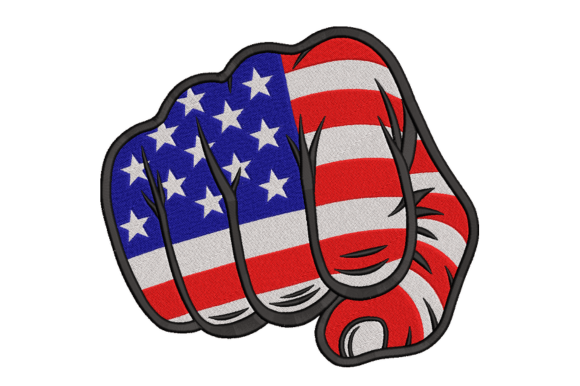
As someone who's stitched countless designs for client projects and my own small shop, my first rule is to look beyond the digital preview. When I opened this USA with American Flag embroidery design, my immediate thought was "This has a strong, sentimental mood." It's not just a graphic; it's a composed piece of line art where the hands and flag shape create a unified, embracing symbol. The layout is clean and central, which tells me it's meant to be a focal point, not a scattered accent.
Where This Design Naturally Belongs
The visual personality is classic and heartfelt. It doesn't scream; it feels respectful and proud. This makes it a natural fit for projects where emotion matters more than flash. I pictured it instantly on a heavyweight cotton tote bag—a staple for craft fairs—or as a central motif on the back of a cozy sweatshirt. For baby items, like a burp cloth or a simple romper, it would scale down beautifully for a gentle, personalized gift. The 'Love Hands' element softens the patriotic theme, making it appropriate not only for Independence Day but for gifts to service families, wedding gifts for patriotic couples, or year-round boutique merchandise in a country-themed shop.
Real‑Life Embroidery Performance: A Maker's Perspective
Let’s talk about real stitching. I imagined running this embroidery file for a custom order: a navy blue apron for a small bakery's holiday promotion. The design’s clear lines and defined shapes are a good sign for stitch clarity. On lighter fabrics like natural linen tea towels or white polo shirts, the contrast will be striking. On darker backgrounds, like that navy apron or a black cap, the thread color choice becomes critical—you’d likely need bright whites and reds to make it pop, and a good stabilizer to prevent puckering.
For commercial embroidery projects, such as a batch of patches for a local business, the design’s simplicity is an advantage for consistent results. It’s also a strong candidate for digital product sellers creating printable mockups, as the clean art translates well to online previews. For Etsy sellers, this design can elevate a simple product like a pillow cover into a meaningful, gift-ready item.
Areas for Careful Application
This design, with its likely use of satin stitches for the flag stripes and fill stitches for the hands, demands attention in a few scenarios. On textured fabrics like some blankets or sweater knits, the finer details might get lost. On stretchy fabric for t-shirts, stabilizer is non-optional. When considering curved surfaces like caps, the overall shape is compact enough to work, but you must check the digitizing to ensure the curves don’t distort.
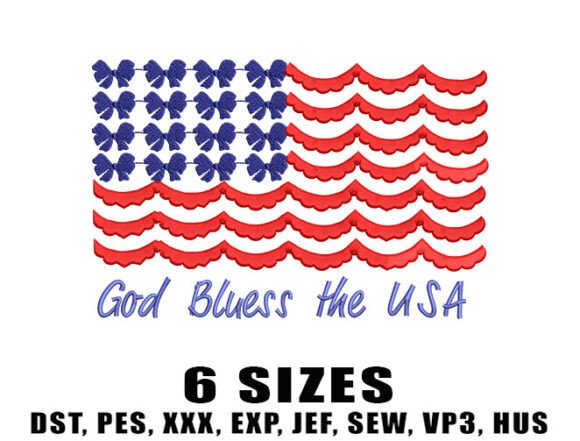
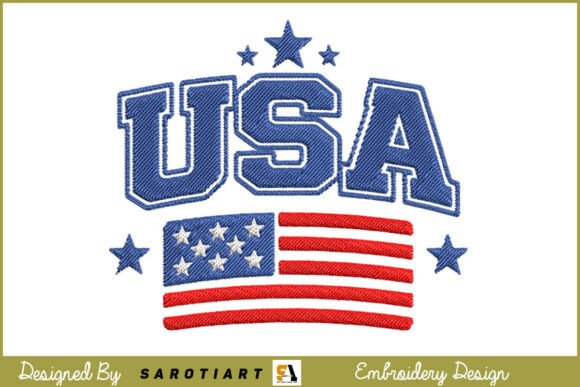
The small lettering for "USA" is a point to inspect closely on your test stitch. Tiny letters can become fuzzy if the stitch density is too high or the hoop size too small. Always test on scrap fabric first, especially if you plan to use it on kids’ clothing or items that will undergo frequent washing—stitch integrity is key for longevity and customer trust.
How This Design Affects Your Finished Product
From a business and presentation angle, this embroidery design adds a layer of recognizable, professional charm. It doesn’t look homemade in a amateur sense; it looks handmade with purpose. That boosts product value and buyer engagement. For a creative entrepreneur, using a cohesive design like this across a line of products—totes, aprons, towels—can build nice brand consistency. Its giftability is high because the theme is universal and the execution is elegant.
Customer reaction, in my experience, tends to be positive for designs that are easily understood yet carry sentiment. This fits that bill. It’s not an obscure abstract piece; it’s a clear symbol of pride and care, which resonates widely.
Essential Designer Notes Before You Hoop
Before you commit this to a client’s project or your next craft fair inventory, here are my practical steps. First, run the machine embroidery design on both light and dark scrap fabric. This reveals how thread colors interact and whether any areas need color adjustment. Second, check the stitch density in your software preview; dense areas can be tough on thin fabrics. Third, confirm the minimum hoop size you can use without compromising detail. Fourth, if you intend to sell the finished product, always verify the licensing terms for commercial use—don’t assume.
Consider testing the design in a black and white mockup as well. This helps you see the pure shape and layout, stripping away color bias. For applique possibilities (if the design supports that), it could be a great way to reduce stitch time on larger projects like blankets.
Finally, think about your audience. This embroidery design is versatile, but its best home is on products where its symbolic weight is appreciated. It’s a solid, reliable digital embroidery file for craft businesses looking to add a touch of patriotic warmth to their offerings, from holiday embroidery to everyday custom apparel. It feels ready to stitch, and ready to sell.